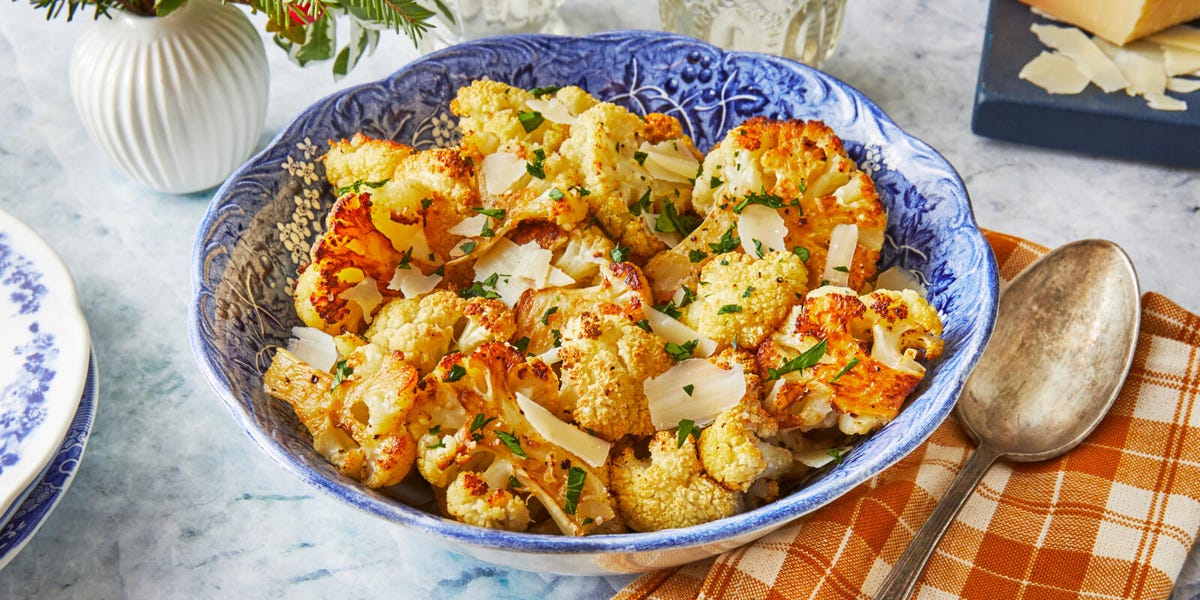
Master Perfect Roasted Cauliflower: Crispy, Cheesy & Flavorful
Forget everything you thought you knew about humble cauliflower. When roasted to perfection, this versatile cruciferous vegetable transforms into a culinary masterpiece: golden, tender, and boasting those irresistible caramelized edges that elevate it from a simple side dish to a true star. Our guide will show you how to achieve the ultimate roasted cauliflower – crispy, cheesy, and bursting with flavor that will have even the most ardent vegetable skeptics asking for seconds. It's a game-changer, turning a quiet vegetable into a crowd-pleasing sensation.
The beauty of perfectly roasted cauliflower lies in its simplicity and the incredible flavor transformation it undergoes. High heat, a drizzle of good olive oil, and a few strategic seasonings are all it takes to unlock its hidden potential. No longer dry or bland, the florets become surprisingly sweet, juicy, and incredibly satisfying. Whether you’re looking for a quick weeknight side or an impressive dish for entertaining, this recipe for Easy Roasted Cauliflower: From Humble Veggie to Flavorful Side is a valuable skill to have in your culinary arsenal.
The Secret to Perfectly Crispy Roasted Cauliflower
The quest for crispy roasted cauliflower often ends in disappointment if not approached with the right technique. Soggy or undercooked florets are a common pitfall, but with a few expert tips, you can guarantee a consistently delicious result every time. The key elements are temperature, proper oiling, and ensuring ample space on your baking sheet.
The Power of High Heat
This is arguably the most crucial factor in achieving that coveted crispness and deep caramelization. Many home cooks roast vegetables at too low a temperature, which steams them rather than roasts them. For roasted cauliflower, you need a seriously hot oven – think 220°C (425°F). This high heat accomplishes two things simultaneously: it quickly evaporates the cauliflower’s natural moisture, preventing it from steaming, and it kickstarts the Maillard reaction, the chemical process responsible for those beautiful golden-brown, crispy bits and the complex, savory flavors we adore. Don't be shy with the heat; it's your best friend here.
Optimal Oil & Seasoning
Extra-virgin olive oil isn't just for flavor; it's essential for achieving a good char and preventing sticking. Drizzle generously, but don't drench. Each floret should be lightly coated, not swimming. Use your hands to toss everything together directly on the baking sheet for even distribution. Beyond the oil, a simple foundation of salt and freshly ground black pepper is non-negotiable. These enhance the cauliflower's natural sweetness and savory notes. For an immediate savory kick, a hint of garlic powder can be added at this stage, or if you prefer a more robust, fresh flavor, add thinly sliced fresh garlic cloves halfway through the roasting process to prevent them from burning.
Prepping for Perfection: Florets & Spacing
How you prepare your cauliflower makes a big difference. Start with a fresh, firm head of cauliflower. Trimming and cutting the florets evenly is vital for consistent cooking. Aim for bite-sized pieces, roughly 1 to 1.5 inches. This ensures that all florets roast at the same rate. For a quick and easy way to cut cauliflower florets, try this method: remove the outer leaves, then slice the head in half through the core. Quarter each half, and then, using a paring knife, cut out the tough core from each quarter. The florets should then easily separate. Once cut, spread the florets in a single layer on your baking sheet. Do not overcrowd the pan! This is a common mistake that leads to steaming instead of roasting. Give each floret enough space to breathe and brown properly. If necessary, use two baking sheets to ensure adequate spacing.
Elevating Flavor: Garlic, Parmesan & Citrus Zing
While plain roasted cauliflower with just salt and pepper is undeniably delicious, introducing a few key ingredients takes it to an entirely new level. Garlic, Parmesan, and fresh lemon create a symphony of flavors that perfectly complement the caramelized cauliflower, transforming it into an irresistible side dish that truly shines. This is where the magic happens, turning a humble vegetable into a gourmet experience.
The Savory Foundation: Garlic
Garlic is a natural partner for cauliflower. Its pungent, aromatic qualities infuse the florets with a deep savory flavor. As mentioned, garlic powder offers convenience and a more subtle, integrated taste if added at the beginning. However, for a more intense and fragrant garlic presence, thinly sliced fresh garlic cloves are a fantastic choice. Adding them about halfway through the roasting time prevents them from burning and becoming bitter, allowing them to soften and sweeten beautifully. The softened garlic adds a wonderful texture and aromatic complexity that makes each bite more interesting.
Umami Bomb: Parmesan Cheese
Here’s where the cheesy, nutty, and incredibly satisfying element comes in. Freshly grated Parmesan cheese, added towards the end of the roasting process or immediately after the cauliflower comes out of the oven, is a revelation. The residual heat from the Why Garlic-Parmesan Roasted Cauliflower is Your New Favorite Side melts the Parmesan, coating the florets in a salty, umami-rich blanket. This creates little golden, crispy clumps of cheesy goodness that adhere to the caramelized edges, adding an extra layer of texture and an explosion of flavor. For an added layer of crunch and texture, consider sprinkling a tablespoon or two of Panko breadcrumbs along with the Parmesan. These toast up beautifully, providing a delightful crispy contrast.
Brightening with Lemon & Herbs
A squeeze of fresh lemon juice is the perfect finishing touch. Its bright acidity cuts through the richness of the olive oil and Parmesan, lifting the flavors and adding a refreshing zing. For even more depth of lemon flavor and softened wedges that yield more juice, place lemon wedges directly into the roasting pan alongside the cauliflower. As they roast, their juices concentrate and mellow. Finally, a sprinkle of fresh, chopped herbs – parsley is a classic choice for its vibrant color and clean flavor – adds a beautiful pop of green and a burst of freshness that rounds out the dish perfectly. Cilantro or chives can also be wonderful alternatives, depending on your preferred flavor profile.
Beyond the Basic: Creative Variations & Serving Suggestions
While the classic garlic and Parmesan roasted cauliflower is a masterpiece in itself, the versatility of this dish allows for endless experimentation. Once you've mastered the basic technique, feel free to get creative with your spices and serving ideas.
Spice It Up!
- Smoky & Spicy: Add a pinch of smoked paprika and a dash of cayenne pepper or red pepper flakes to your initial seasoning mix.
- Curry Delight: Toss the florets with curry powder, turmeric, and a hint of ginger for an aromatic, Indian-inspired side.
- Herby Mediterranean: Incorporate dried oregano, thyme, and rosemary with a final drizzle of balsamic glaze.
- Asian Twist: A dash of sesame oil and soy sauce (or tamari) can be added post-roasting, along with a sprinkle of sesame seeds.
Global Flavors
Roasted cauliflower is an excellent base for global flavor profiles:
- Ottolenghi-Inspired: Serve the perfectly roasted florets warm or at room temperature as part of a vibrant salad with tahini dressing, pomegranate seeds, and fresh mint.
- Mexican Fiesta: Season with chili powder, cumin, and coriander. Serve with a squeeze of lime, a sprinkle of cotija cheese, and fresh cilantro.
- Middle Eastern Flair: Drizzle with a zesty tahini sauce or a cooling lemon-yogurt sauce after roasting.
Perfect Pairings
This flavorful side dish pairs beautifully with a wide array of main courses. It's fantastic alongside roasted chicken, grilled fish, or a juicy steak. For a vegetarian meal, serve it as part of a grain bowl, tossed with quinoa or farro, or as a hearty component in a vegetable platter. It can even be the star of a light lunch when piled high and drizzled with a rich sauce.
Expert Tips for Roasted Cauliflower Success
Beyond the core technique, a few extra insights can ensure your roasted cauliflower is always a triumph. From selecting the best produce to smart storage, these tips will elevate your roasting game.
Selecting the Best Cauliflower
A great dish starts with great ingredients. When choosing a head of cauliflower, look for one that is firm and heavy for its size. The florets should be tightly packed and a creamy white color, free from any brown spots or blemishes. The leaves should be fresh, green, and crisp, not wilted. These are all indicators of freshness, which directly translates to better flavor and texture once roasted.
Smart Storage & Reheating
While roasted cauliflower is best enjoyed fresh from the oven, leftovers can be stored in an airtight container in the refrigerator for up to 3-4 days. To reheat, spread the florets on a baking sheet and warm them in a hot oven (around 200°C/400°F) for 10-15 minutes until heated through and re-crisped. Microwaving is an option for convenience, but it can make the cauliflower soft and less appealing. For best results, always opt for oven reheating to revive those crispy edges.
Mastering perfect roasted cauliflower is a truly rewarding culinary skill. With its crispy, caramelized edges, tender interior, and the irresistible combination of savory garlic, nutty Parmesan, and bright lemon, this dish transcends expectations. It’s a testament to how simple ingredients, combined with the right technique, can create a truly exceptional and flavorful experience. So grab a head of cauliflower, fire up your oven, and prepare to turn this humble vegetable into a dish that will become a regular fixture on your table.
